Many businesses are looking for cheap printed t-shirts every day for many reasons. It may be that you are hosting a one-off event or looking for low-cost giveaways for your event. Finding cost-effective and affordable options for creating cheap printed t-shirts is crucial. Printing t-shirts in large quantities can quickly become expensive, so it’s important […]
Embroidery and printing explained
We embroider and print in-house in Maidenhead, so we get asked a lot about which method suits which garment. This section compares embroidery, DTF, screen printing and other methods in plain English: what lasts, what costs more at different quantities, where each one works best and what can go wrong. If you’re deciding between a stitched logo and a printed one, the answer is probably in here.

What are these hoop marks?
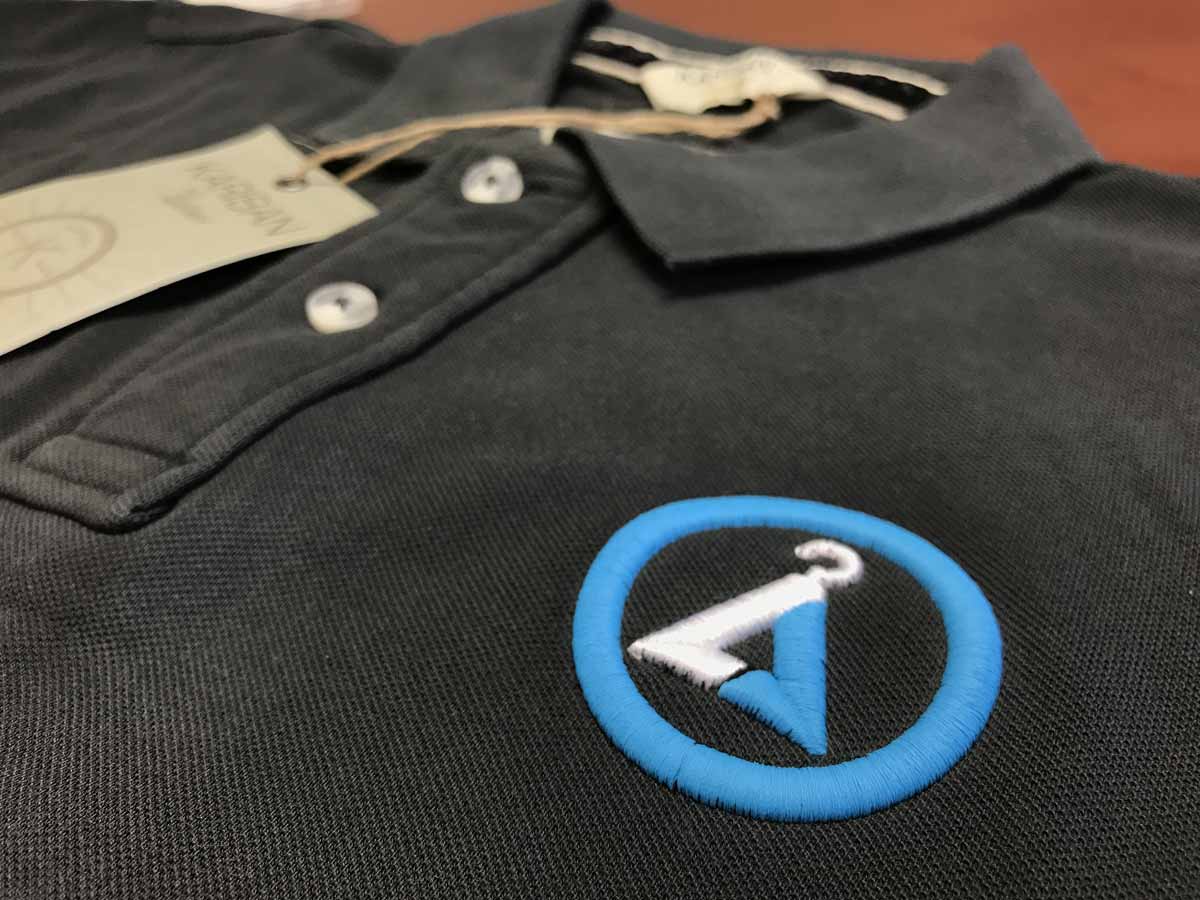
Hoop marks, or ‘hoop burn’, are faint imprints left when a garment is held in place on an embroidery machine. They usually wash out easily. At SP Workwear, we steam all garments before packing to remove any hoop marks, so your branded clothing arrives ready to wear.

Can I print my company logo onto a Beanie hat?
Printing onto beanie hats usually isn’t recommended because the knitted fabric has a loose weave, which doesn’t hold print well. Embroidery is the better option for a smart, lasting finish. Some beanies do have a printable front panel, but we’d still recommend embroidery for the best result.

Why can’t I print Direct to Garment (DTG) on sports clothing?
DTG printing doesn’t work well on sportswear because it’s usually made from polyester, which doesn’t absorb the ink properly. The colours can bleed or migrate, especially on darker or sublimated fabrics. For sports clothing, we recommend vinyl or screen printing, or embroidery for smaller logos.

Is print or embroidery better on the back of a t-shirt/polo?
For large logos or text on the back of a t-shirt or polo, print is often more comfortable, especially if the garment touches the skin. Embroidery can feel scratchy in bigger areas. For smaller logos, embroidery works well. On jackets or hoodies, embroidery is a good choice as it doesn’t sit directly against the skin.

What are the different types of printing methods for customised t-shirts?
The main printing methods for customised t-shirts are Direct to Film (DTF), screen printing, and vinyl printing. DTF is ideal for short runs and detailed full-colour designs on cotton garments. Screen printing suits large orders and offers vibrant colours. Vinyl printing works well for small quantities and sportswear.

Why Should I Order Embroidered Polo Shirts for My Business?
There are many reasons an embroidered polo shirt is an important part of any business. Read our blog to find out exactly why.

What’s the difference between 4 Colour Print vs Full Colour Print?
Full colour printing uses a mix of inks like CMYK to produce gradients, shadows, and photo-quality images. It’s ideal for logos with lots of colours or fading. Four colour printing (or spot colour) uses up to four solid colours without blending. It’s better for simple logos with clean lines and blocks of colour.

Screen printing 75x t-shirts is cheaper than vinyl right?
We were recently asked by one of our customers to quote for some printed t-shirts with their logo on so they could resell them as an additional revenue stream for their fitness business. They wanted to get around 75x cotton t-shirts printed with logo front & back. Naturally, you would think that screen printed t-shirts […]

Clothing decorating methods – what’s the difference?
Clothing decoration methods include embroidery, vinyl transfer, and screen printing. Embroidery is durable and smart but less suited to large logos. Vinyl gives a vibrant finish and is great for small runs and personalisation. Screen printing works well for large orders with detailed designs. Each method suits different garments and budgets.
Polo shirts
T-shirts
Hoodies
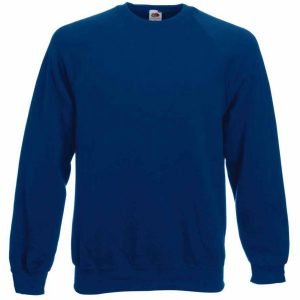
Sweatshirts
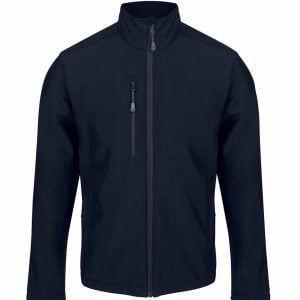
Jackets
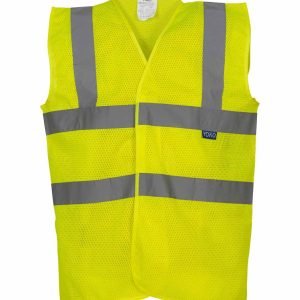
Hi vis