
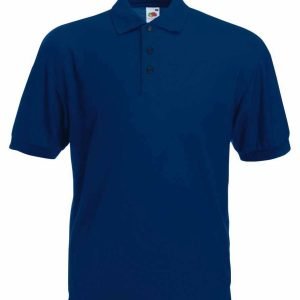
 Polo shirts
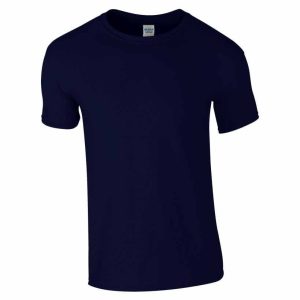 T-shirts
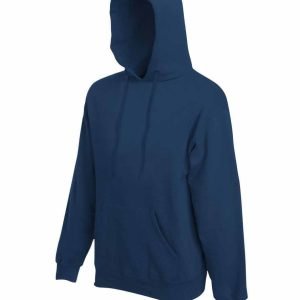 Hoodies
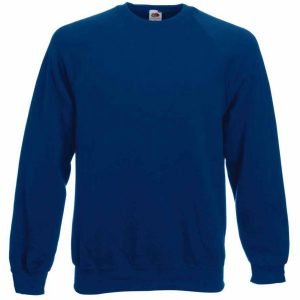 Sweatshirts
 Jackets
 Hi vis
Uniform supplier reliability
Nobody's 100% Happy With Their Uniform Supplier
Your supplier might actually be pretty good. You might have used them for years.
But if you still have to chase orders, follow up delivery dates, explain the same requirements again or manage problems yourself, you may have got used to more friction than you should.
For businesses with 30–200 uniform-wearing staff, reliability isn’t just whether the right garments eventually turn up. It’s whether you can trust the whole process without having to manage your supplier as well.
SP Workwear is built around one simple standard: we won’t let you down.
No obligation. Tell us how your uniform ordering works now and we’ll tell you honestly whether we think we could make it better.
- 7–10 working day standard lead time
- No minimums, no contracts
- Embroidery and DTF printing in-house
“They’re Fine, But…”
Most businesses we speak to aren’t desperately trying to escape a terrible uniform supplier. Normally it’s much less dramatic than that.
“They’re fine, but we have to chase them.”
“They’re good, but nobody can ever give me a definite delivery date.”
“We’ve used them for years, but I still have to remind them what we normally order.”
“They’re alright, but sorting anything out when there’s a problem takes forever.”
“They’re fine, but uniform ordering takes up far more of my time than it should.”
That “but” matters. Because the little things you’ve learned to work around are often the things creating the most unnecessary work.
You Didn't Ask to Become the Uniform Orderer
It usually just becomes part of somebody’s job. A new starter needs kit. Someone needs another pair of trousers. A manager needs a few more polos. Something hasn’t arrived. Someone wants tracking. There’s a sizing issue.
And suddenly you’re chasing information and sorting out problems that really should sit with the supplier.
One email or one phone call doesn’t sound like much. But when you’re looking after uniforms for 30, 50, 100 or 200 people, those interruptions keep happening.
A reliable supplier should remove work from your desk, not create another job for you.
How Reliable Is Your Supplier Really?
Before you decide whether your current supplier is good enough, think about these five questions. You don’t need to answer them for us. Just answer them honestly for yourself.
1
Do You Have to Chase Them?
Or do orders, delivery updates and routine questions happen without you constantly following them up?
2
Do They Give You Straight Answers?
Especially when stock availability, delivery or production doesn’t go exactly to plan.
3
Does Your Account Get Easier Over Time?
Or are you still explaining the same garments, branding and requirements again and again?
4
Can They Actually See What’s Happening?
Or does every production question have to be passed somewhere else before you can get an answer?
5
What Happens When Something Goes Wrong?
Do they take ownership and help solve it, or does sorting the problem become another job for you?
If even one or two of those made you hesitate, that’s worth paying attention to.
Recognising a few of these already?
Watch: What Reliability Actually Looks Like
Rather than just telling you we’re reliable, Steven, owner of SP Workwear, talks through the five things he would look at when judging a uniform supplier. Including two real orders where things didn’t go perfectly, and what we did next.
If you’re responsible for the uniforms but somebody else ultimately approves the supplier, send them this video too.
A quote can show the price of a polo shirt. It doesn’t always show how much work a supplier creates, removes or hands back to your team.
The Five Things We Think Reliability Should Actually Mean
01
You Shouldn't Have to Chase for Basic Information
The occasional question is completely normal. Constantly having to pull basic information from your supplier isn’t.
Think about the last few uniform orders you placed. Did they simply happen, or did you have to ask when they were coming, request tracking, remind somebody what you had ordered or follow up because someone was waiting?
Our standard lead time is 7–10 working days, with a fast-track option where something genuinely needs doing sooner. Whatever the number of days, you should know what you’ve been told, know what to expect and be told if something changes.
This kind of predictability isn’t limited to our standard lead time either. For accounts we’ve worked with long enough to know their volume and pattern, we’ve sometimes agreed specific turnaround arrangements, for example, order by a set day, ready by the same day the following week. That’s not something we promise upfront, it’s built once we understand an account properly, but it’s worth asking about if a predictable rhythm would genuinely help your team plan.
02
Reliability Includes Being Honest About What You Can't Control
A definite answer you can plan around is much more useful than a vague promise designed to delay an awkward conversation.
Sometimes something outside the supplier’s direct control changes. A garment may become temporarily unavailable. A manufacturer may have a stock issue. A delivery may move.
We don’t manufacture the garments ourselves, so we won’t pretend every part of the supply chain sits under our roof.
What we can do is give you a straight answer about what we know, explain your options and help you find the most sensible way forward.
03
The Tenth Order Should Be Easier Than the First
Once we understand your account, you shouldn’t have to keep managing us.
There is always some work when a new supplier first learns an account. We need to understand your garments, logos, colours, teams, sizing and how you normally order. That first setup matters.
But once that groundwork has been done, you shouldn’t feel as though you’re starting again every time somebody needs another three polos.
For some clients, that means an ordering portal. For others, it means a more managed account. Our spend-based pricing also means a small top-up doesn’t need to become a new negotiation around quantity. Those are supporting tools.
04
Your Supplier Needs Visibility of the Parts They're Responsible For
We directly control and inspect an important part of the process, instead of relying on somebody else to investigate it for us.
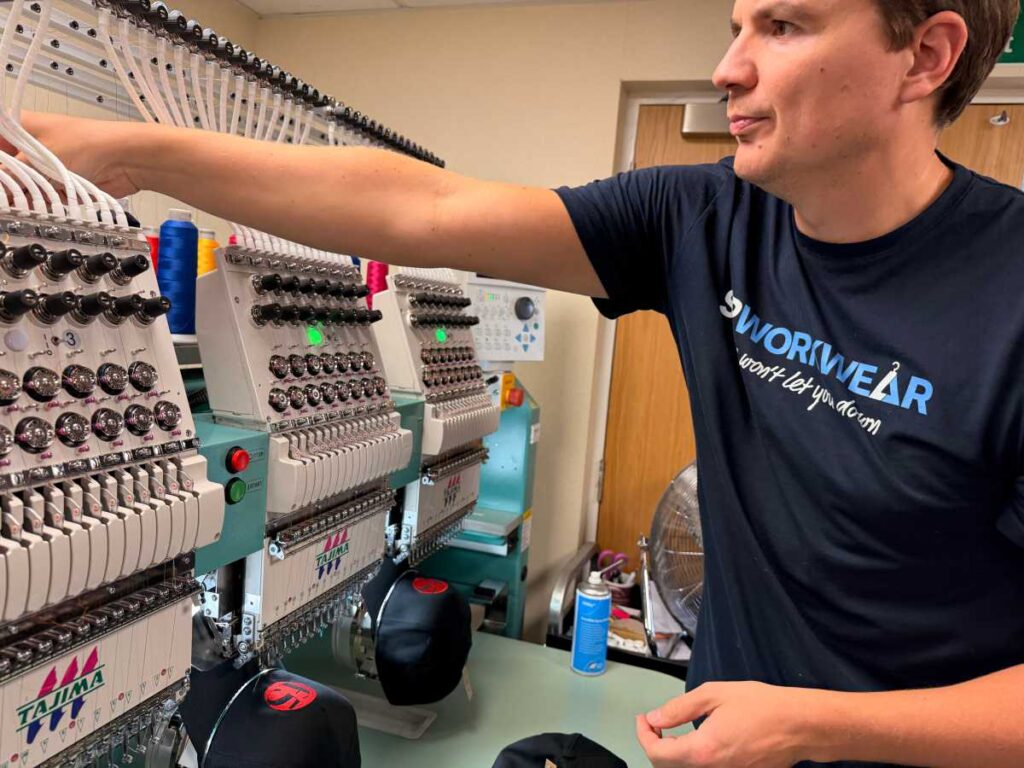
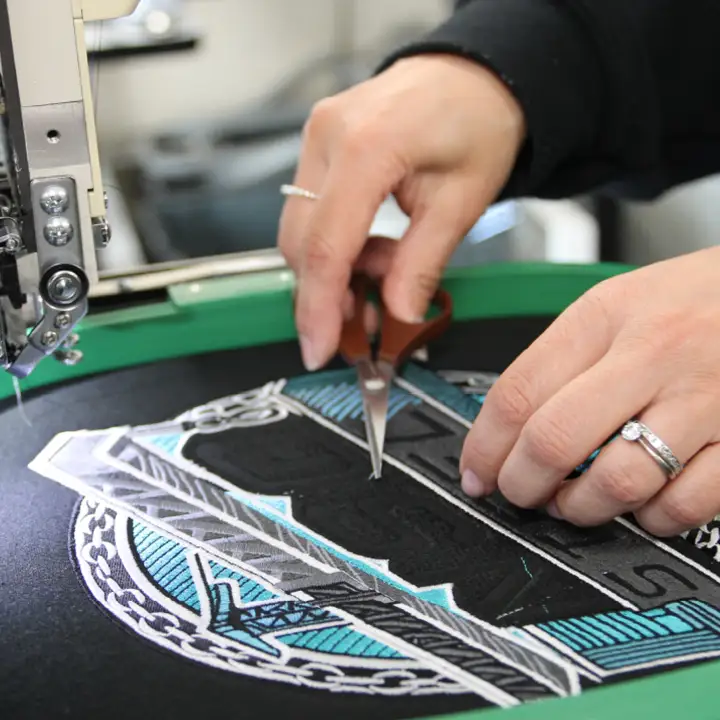
Our embroidery and DTF printing are carried out in-house by our own production team. That means if there’s a question about your branding, we can physically go into production and look at what is happening.
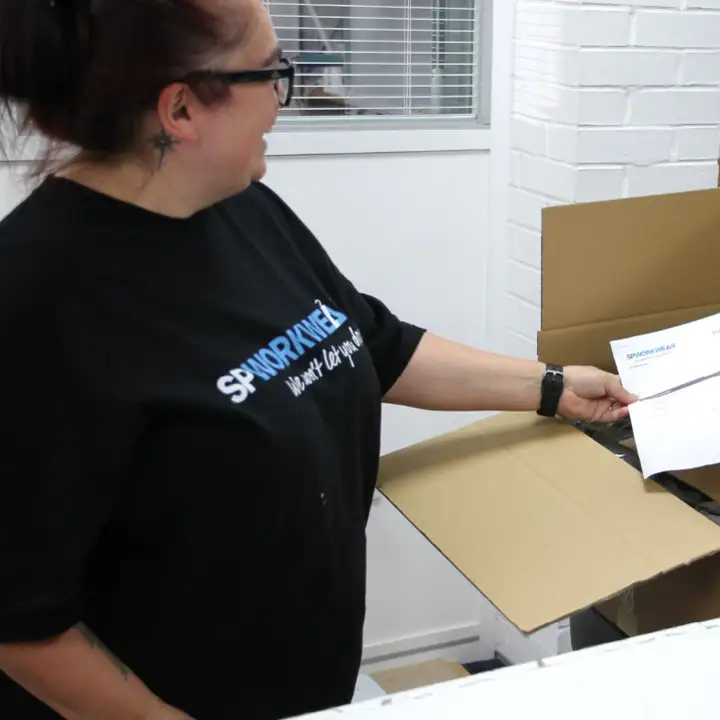
It also allows us to put our own checks through that process. Garments are checked when they arrive blank, checked again after branding and checked again as they are packed for dispatch. Logo checks happen at multiple stages too.
That doesn’t mean we “control everything” or that a mistake can never happen.
Logo checks happen at multiple stages along the way.
05
The Real Test Is What Happens When Something Goes Wrong
Things go wrong with every supplier, us included.
Every supplier looks reliable when the order is straightforward. The more revealing moment is when something isn’t.
Do they tell you what has happened? Do they take ownership? Do they give you genuine options? Do they try to solve the problem? Or do they immediately start explaining why it belongs to the manufacturer, courier or somebody else?
Reliability Isn't Pretending Nothing Goes Wrong. It's What Happens Next.
We don’t want to tell you we’re perfect. We aren’t. These two real jobs probably explain what we mean by reliability better than any claim about customer service ever could.
The T-Shirt Shade Mismatch
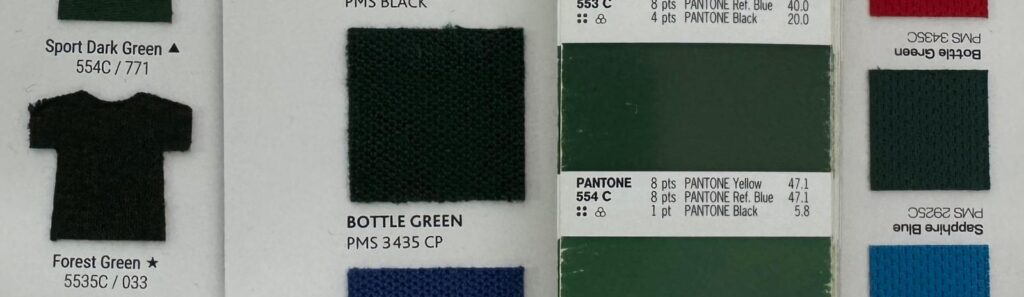
We had a large client operating across three sites where there was a batch and shade difference on a T-shirt order.
We investigated it with the manufacturer. But even after looking into it properly, neither they nor us could completely explain exactly what had happened.
We could have tried to minimise it. We could have hidden behind manufacturing tolerances. Instead, we told the client exactly what we knew and gave them a genuine choice.
They could move to a different brand entirely, or accept what was actually quite a slight difference. The manufacturer compensated us for the issue. We passed 100% of that compensation back to the client. We didn’t keep part of it.
The 200+ Caps We Redid at Our Own Cost
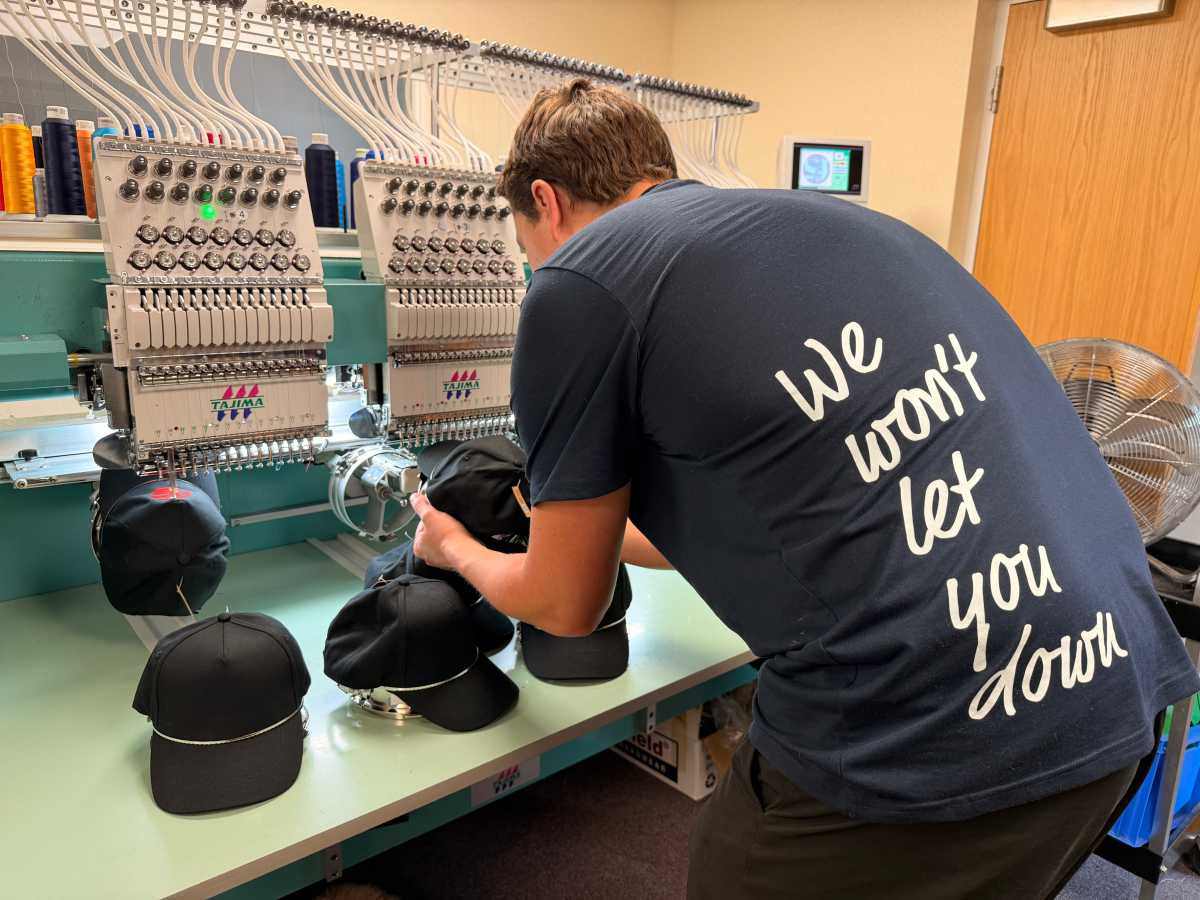
Another client ordered more than 200 premium caps. The branding had been measured. The position matched the agreed specification. Technically, the job had been produced as requested.
But once the caps were actually being worn, the client just wasn’t happy with how the branding sat.
We could have pointed to the measurements and said the job was correct. Instead, we collected the caps and did the job again. At our cost.
We lost money on that order. Being technically right wouldn’t have solved the client’s problem.
What “We won’t let you down” Actually Means
No supplier can promise that nothing unexpected will ever happen. What we commit to is this.
We Tell You the Truth
If something changes or goes wrong, you get a straight answer rather than a vague one.
We Take Ownership
You shouldn't need to work out whether the manufacturer, courier or somebody internally is technically responsible before anyone helps you.
We Control the Parts We Can
Our embroidery and DTF production happen in-house, with our own production team and multiple checks through that part of the process.
We Give You Certainty Where Possible
Our standard lead time is 7–10 working days, and we make expectations clear before you order.
We Learn Your Account
Your garments, branding and requirements should become familiar to us rather than repeatedly becoming your job to explain.
We Make Routine Ordering Easier
Depending on the client, that can include spend-based pricing, ordering portals or a managed account.

Built for Businesses With 30–200 Uniform-Wearing Staff
Our ideal client isn’t really defined by industry. It’s usually defined by the person inside the business trying to make uniform ordering work alongside everything else they already do. That might be:
- An office manager
- An HR manager
- An operations manager
- A procurement contact
- Somebody in admin or accounts
- An MD or business owner
Almost nobody’s job title is “uniform orderer”. It is simply a responsibility that has landed with them. And the bigger the team becomes, the more important it is that the supplier can be trusted to get on with it.
If you’re responsible for uniforms for roughly 30–200 people and you’re spending too much time managing the process, that’s exactly the sort of problem we’re built to help with.
Tell us what works with your current supplier, what doesn’t and where you find yourself having to chase.
“But Changing Supplier Sounds Like Even More Work…”
That’s a fair concern. And there is some work at the beginning. We won’t pretend otherwise.
The first step is understanding what you already have and making sure any transition is handled carefully rather than rushing you into changing everything at once. We’ll normally look at things such as:
- Your current garments
- Brands and colours
- Existing logos and artwork
- Branding positions
- How different teams order
- Anything you particularly want to keep the same
The first order gets additional attention because getting garments, branding and sizing right at the beginning makes everything afterwards easier.
We keep the changeover small and do the groundwork properly, so future orders get easier.
Want to see how it works? Here is how we handle a supplier switch, and how we helped Spirit Energy after their old supplier let them down.
Want the detail? How do you match our existing branding?
Where you have existing visual proofs or previous order information, we can use those to understand what has already been supplied.
For printed branding, editable artwork or existing proofs can often provide useful sizing and placement information.
Embroidery can need a little more care because customers do not always hold the original embroidery production file, and colours shown on a PDF are not always a reliable representation of the actual thread.
Where useful, we may ask for a clear photograph or a physical sample so we can match an existing result as closely as possible.
We would rather spend a little more time getting that first setup right than rush it and create another problem for you.
If You're Not the Final Decision-Maker
Quite often, the person responsible for uniforms isn’t actually the person who signs off a new supplier. You may be the person who knows where the current problems are, deals with new starters, chases deliveries, gathers the requirements, gets the quotes and sorts out problems when something goes wrong.
But eventually the decision reaches somebody else. And they may simply see two PDFs and ask: “Which one is cheaper?”
If that sounds familiar, send them this page. Because a quote is very good at showing the price of a polo shirt. It is much less good at showing:
- How much chasing your team currently does
- How predictable the process is
- Whether your supplier already understands the account
- Who has visibility of production
- What happens when there's a problem
Those things are harder to fit into a price column. But they are the things your team lives with after the supplier has been chosen.
If someone on your team has sent you this page
Ask them one question: “What are we putting up with at the moment?”
They are probably not asking because they want a different polo shirt. There is usually something about the process they want to make better. That is worth understanding before the decision becomes purely about two unit prices.
Still Deciding? A Few Straight Answers
Do I have to commit to anything on the call?
No. It’s a 15-minute conversation about how you currently manage uniforms, what is working and what isn’t. If we don’t think moving to SP would genuinely improve things, there is no point pretending otherwise.
What if we're still using our current supplier?
That’s completely fine. You don’t need to stop using anybody before speaking to us. In fact, understanding how your current setup works usually makes the conversation more useful.
What actually happens during a changeover?
We start by understanding what you already use and how your business currently orders. Then we plan the move around that rather than forcing an unnecessary big-bang change. The first order gets additional attention because getting the garments, sizing and branding right at the beginning makes everything easier afterwards.
What if our current supplier is actually good?
Then keep them. Seriously. Changing supplier creates some work, so there is no point doing it simply for the sake of changing. The purpose of this page isn’t to convince you every uniform supplier is terrible. It is to help you distinguish between a supplier that is genuinely working well and one where you may simply have become used to the frustrations.
Can we see samples before we decide?
Yes. Ask us about samples when we speak. Plain samples are usually available free of charge. Branded samples depend on the requirement and the size of the opportunity.
So… Is Your Supplier “Fine, But…”?
Go back to the beginning.
“They’re fine, but we have to chase.”
“They’re fine, but I never quite know when things are coming.”
“They’re fine, but sorting problems becomes my job.”
“They’re fine, but we seem to explain the same things every time.”
If there genuinely isn’t a “but”, you probably have a supplier worth keeping. If there is, it may be worth spending 15 minutes finding out whether that problem is actually unavoidable.
Because simply changing supplier doesn’t fix anything if you move to another supplier working in exactly the same way.
What needs to change is the way it works.
Find Out Whether There's a More Reliable Way to Do It
Book a 15-minute call and tell us how your uniform ordering works today. No obligation. No need to prepare anything complicated.
Just a straightforward conversation about what’s working, what isn’t and whether SP Workwear would genuinely be a better fit.
For businesses with approximately 30–200 uniform-wearing staff.